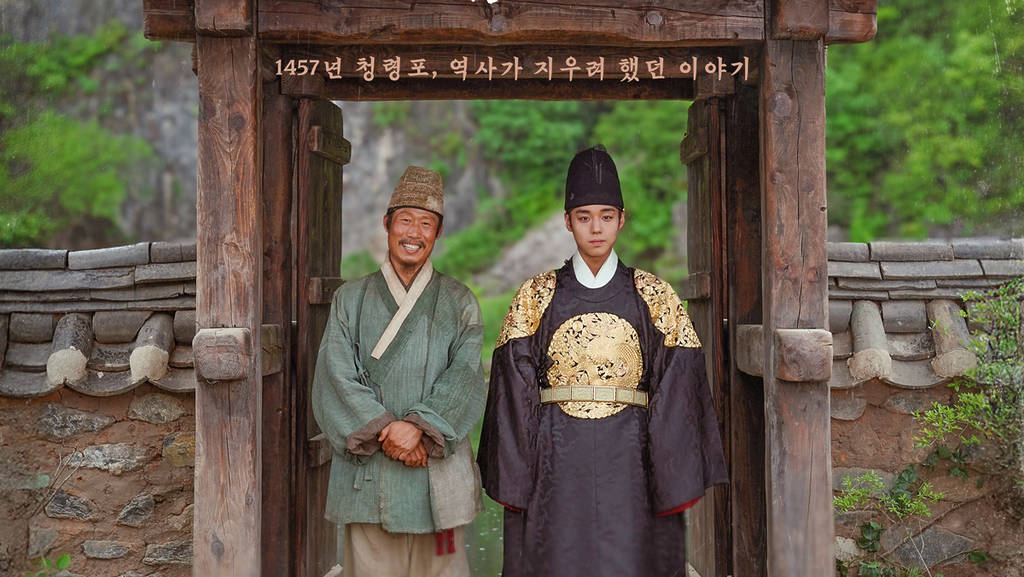
The film <The Man Who Lives with the King> is racing down a fast track to box office success. Just five days after its release, it surpassed 1 million cumulative viewers, achieving the highest weekend score among this year’s releases. It also easily outpaced its contemporary competitor ‘Avatar: The Way of Water’, raising the possibility of becoming a ’10 million viewer film’.
The film drives the tragedy of Prince Nosa (Danjong) with an intense emotional weight. Even knowing the ending, audiences find themselves hoping for a different outcome when faced with Park Ji-hoon’s heartbreaking portrayal of Danjong. But, as expected, there was no twist. I, too, couldn’t stop the tears for a while after witnessing Danjong’s lonely final moments.
Wanting to hold Danjong in my heart a little longer, I sought out actual historical records about him.
1. The actual relationship between Eom Heung-do and Nosan (Danjong)
 📸Showbox
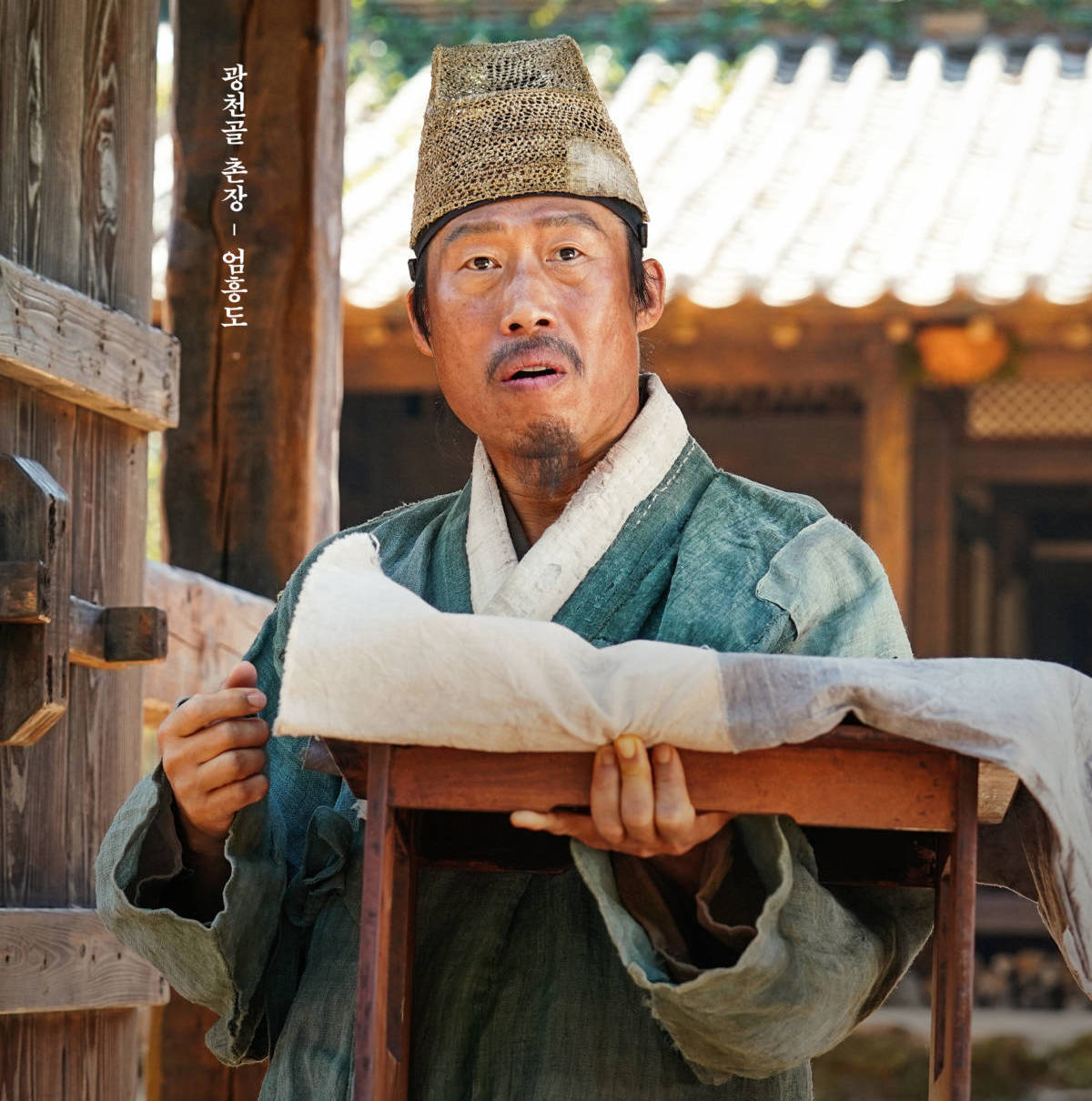
The first question that came to mind after watching the film was the actual relationship between Eom Heung-do and Danjong. According to historical records, their bond was as extraordinary as depicted in the movie.
The Annals of the Joseon Dynasty record that when Danjong woke from a nightmare crying, Eom Heung-do immediately crossed the river in the dead of night to check on him. Witnessing this, Danjong said:
“I have been here for a long time, yet no one came to comfort me. Today, you have come, and your devotion is admirable. Only now do I realize that even in the wilderness, there are good people.”
It is said that after this, Eom Heung-do visited Danjong almost every night.
Scenes in the film where Eom Heung-do stops Danjong from attempting suicide at night and gathers medicinal herbs for him while he suffers nightmares align with these records. While embellishment and imagination may have been added, the essence of their relationship was not fiction.
The most heart-wrenching part comes after Danjong’s death in October 1457. Records tell us that Eom Heung-do personally prepared the coffin and burial cloth, performed the funeral rites, then carried the coffin on his back to the royal burial grounds, burying Danjong with his own hands. It’s too painful to even imagine what Eom Heung-do must have felt as he buried Danjong’s cold, lifeless body.
2. The Actual Death of Danjong: Conflicting Records
 📸Showbox
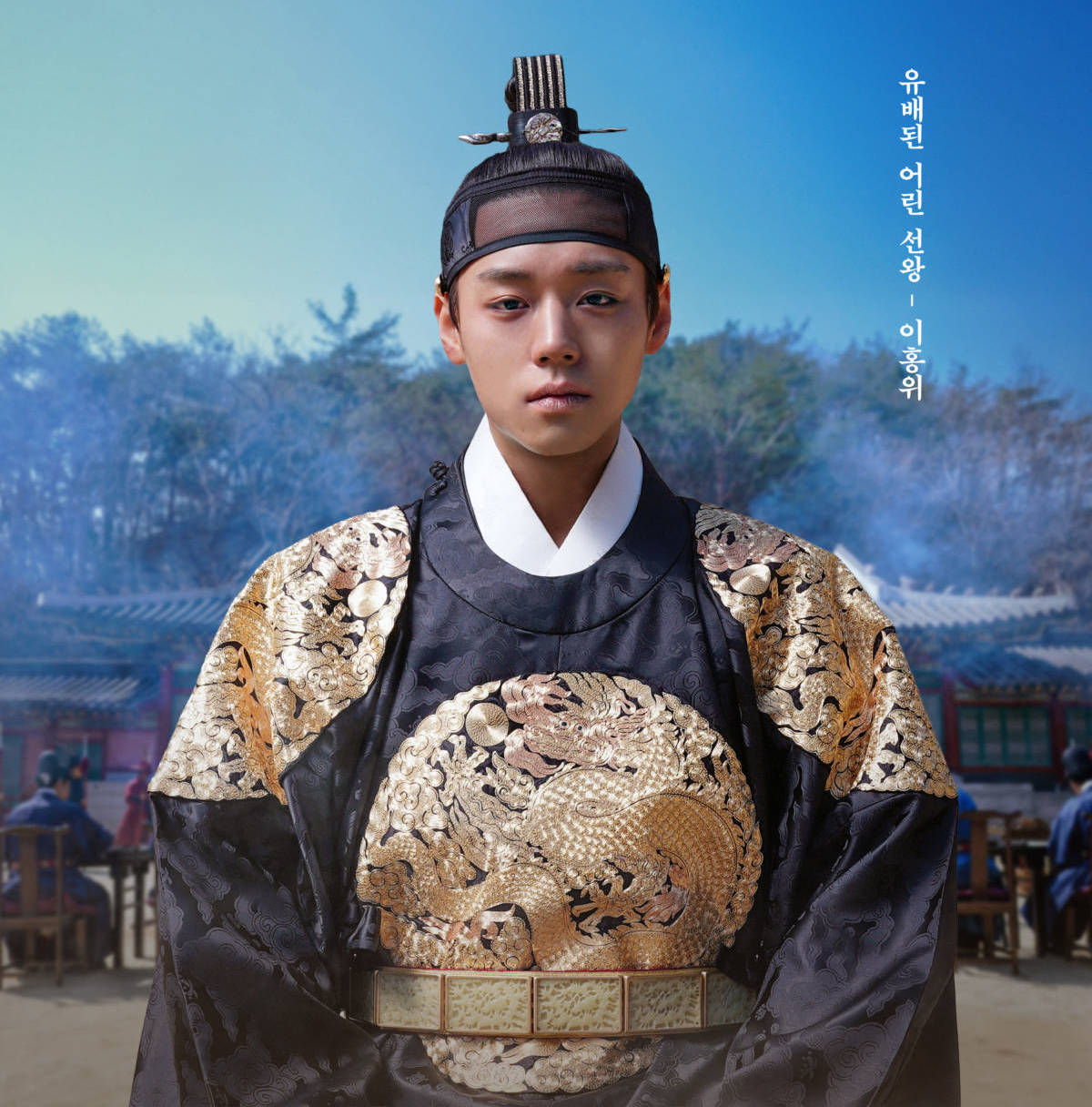
The death of Prince Nosan (Danjong) is recorded differently in various historical texts.
The Annals of the Joseon Dynasty, particularly the Annals of King Sejo, conclude that Danjong died by suicide. After executing Song Hyeon-su (Danjong’s father-in-law) and others, King Sejo reportedly said, “Discuss no further,” but the annals immediately record that “Danjong hanged himself and died.” This passage reveals an apparent intent to minimize responsibility for Danjong’s death.
However, another historical record, the Yeonyeo Silsok, tells a completely different story. It records that when the royal executioner Wang Bang-yeon arrived in Yeongwol bearing the poison, he hesitated, unable to enter. In that moment, one of the attendants who had always served Danjong stepped forward and killed him using a bowstring and rope. This account is almost identical to the scene in the film.
This account further adds the harrowing detail that after Danjong’s death, his female attendants and servants rushed to throw themselves into the Donggang River, lending historical credibility to the narrative chosen by the film.
Unlike the Annals of the Joseon Dynasty, which strongly aimed to dilute the dynasty’s responsibility, the Yeonyeo Silsok is a historical record that broadly incorporates oral traditions and unofficial accounts. While it’s impossible to definitively determine which version is the ‘truth,’ it’s clear that the narrative chosen by the film is by no means mere baseless imagination.
3. Han Myeong-hoe, The Face of Power
 📸Showbox
Here’s a little-known fact about Han Myeong-hoe: The modern district name Apgujeong originates from the name of a pavilion (Apgu) he built along the Han River.
His Apgu Pavilion was renowned for its scenic beauty, attracting even Chinese envoys. One day, he requested a royal canopy (a sunshade structure used in the palace) from King Seongjong for the envoys. When refused, legend has it he flushed with anger and confronted the king. This incident ultimately led to his exile.
This anecdote alone gives a glimpse into the extent of Han Myeong-hoe’s power and the stature he perceived himself to hold at the time.
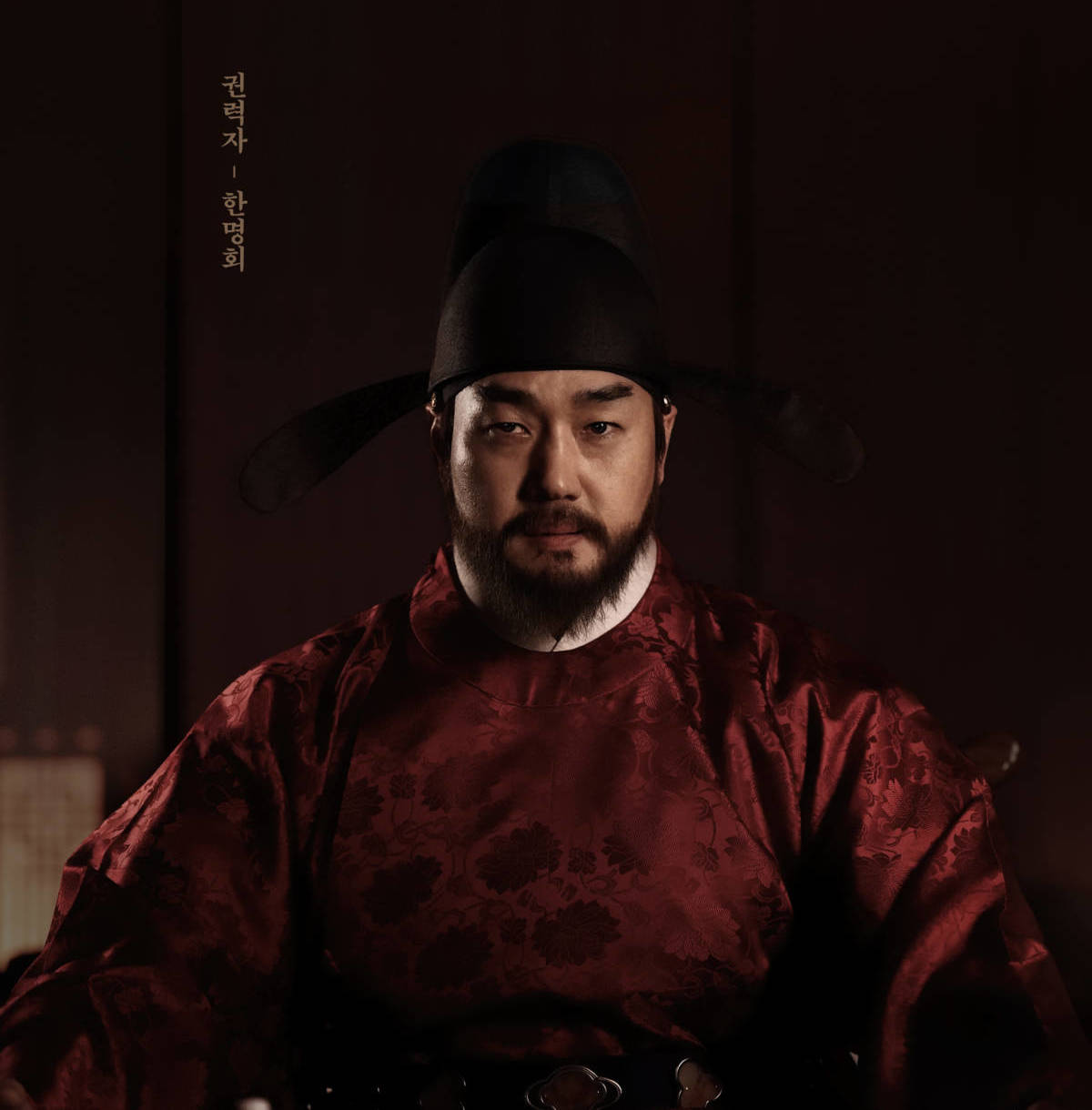
Records of Han Myeong-hoe’s appearance are also intriguing. His stele inscription describes him as tall and exceptionally handsome, while the 『Yeonrye Silsok』 notes he possessed “an extraordinary bearing.”
In this regard, casting Yoo Ji-tae for this film was an excellent choice. While past works depicted Han Myeong-hoe solely as a greedy villain, often physically diminutive, Yoo Ji-tae embodied the very face of power with his tall stature and imposing presence.
In another interview, Yoo Ji-tae revealed he deliberately gained weight and even used tape to lift his eye corners for the role. That meticulous preparation is fully evident in the film. He perfectly recreates Danjong’s figure, growing smaller and more forlorn before Han Myeong-hoe’s greed and power, maximizing the tragic contrast.
Beyond box office success, why it lingers in memory
It is said that history is written by the victors. In that process, the losers and victims are erased and simplified under the rough brushstrokes of the record. Danjong, too, has often been remembered in national history merely as a ‘weak and powerless king’. But this film restores the heartfelt relationships and narratives that clearly existed among these forgotten historical figures. It possesses the power to pull attention, which could have grown cold in the distance of time, back into the present.
A major reason for its box office success lies in the actors’ performances. Yoo Hae-jin’s savory comic acting, which unravels a potentially heavy narrative with humanism; Park Ji-hoon’s portrayal of Danjong, whose tragic nature is amplified by his handsome looks and melancholic gaze; and Yoo Ji-tae’s Han Myeong-hoe, embodying the face of power trapped like a rat in a jar, with nowhere to retreat. The performances of these three characters maintain the film’s tension until the very end.
This, combined with meticulous historical research that lends depth to the narrative, seems to leave a lasting impression on the audience.