Seoul always changes quickly.
Having lived abroad as a child, I was always astonished by Seoul’s transformed landscape whenever I returned home every two or three years. In just a few short years, new buildings or roads would have taken root in the scenery of my memories, like uninvited guests.
Seoul’s rapid redevelopment is said to have begun in the 1970s. As the population surged into the city and the housing shortage worsened, large-scale redevelopment projects were pushed forward to solve the problem. Then, spurred by the bid to host the 1980 Seoul Olympics, construction projects accelerated across the entire city, and rapid change became this city’s virtue.
Seoul, like a bulldog persistently chanting, ‘Give me your old house, give me a new one.’
Thus, Seoul demolished its old structures and erected larger, more modern ones in their place.
Yet places still preserve the old charm of Seoul. Time flows particularly slowly in these capsule-like spaces within the city.
Daeo Bookstore
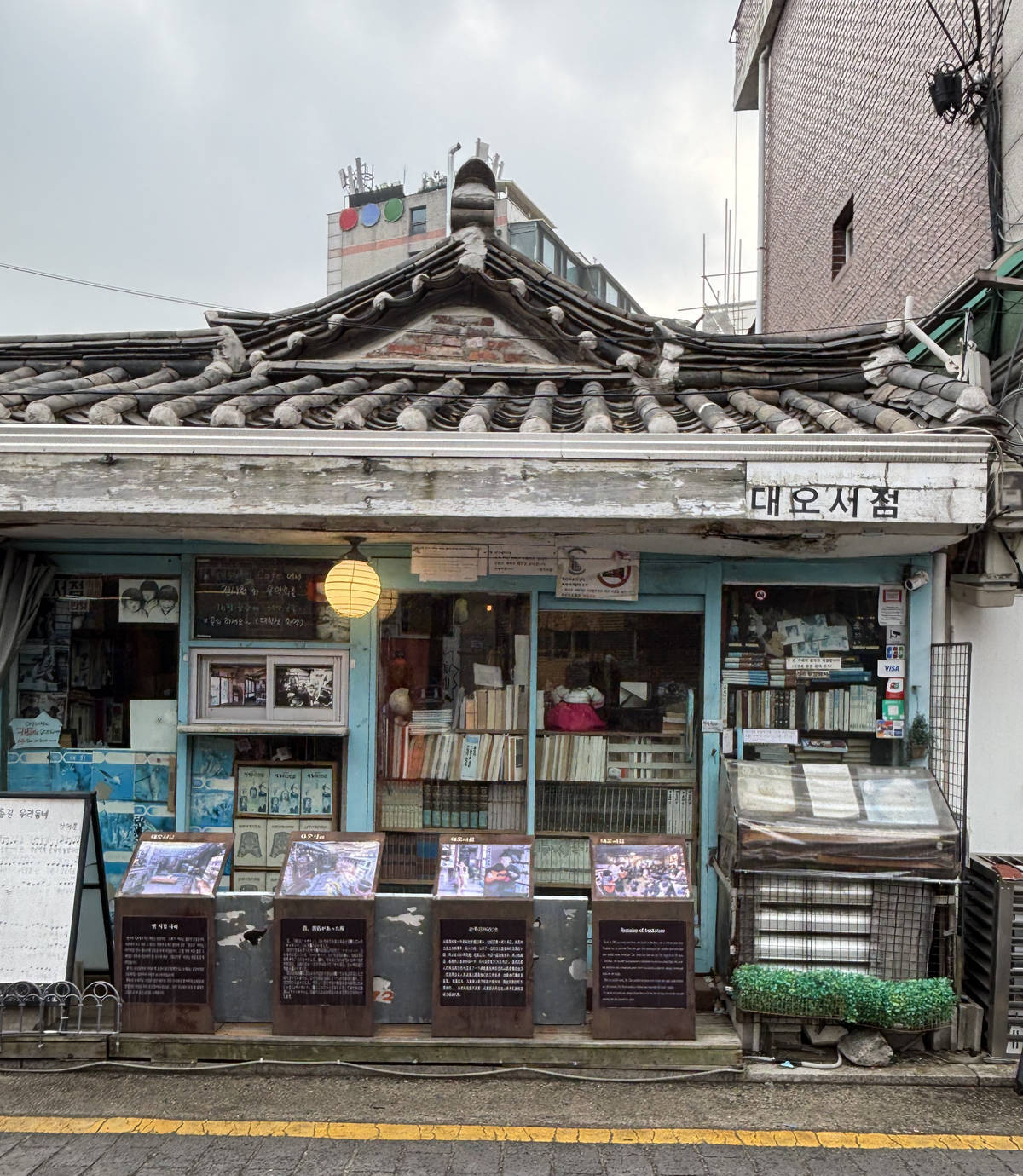
Daeo Bookstore, which has endured 75 years, was originally a secondhand bookstore buying and selling used books. Grandfather Jo Dae-sik, who loved books deeply, met Grandmother Kwon Oh-nam, who became his lifelong companion, while running a bookstore in Seochon. The name ‘Daeo Bookstore,’ formed by taking one character each from their names, has been imbued with love and warmth since its inception.
Back then, books were quite expensive, so people naturally gravitated toward used bookstores. However, as time passed, the popularity of used bookstores gradually waned, and running the bookstore became increasingly difficult.
After Grandfather Jo Dae-sik passed away, many around her suggested it would be better to close the shop. But Grandmother Kwon Oh-nam, wanting to preserve the memories and time embedded in the bookstore, decided to keep part of the shop despite the dissuasion. Thus, Daeo Bookstore has maintained its original appearance right up until 2026.
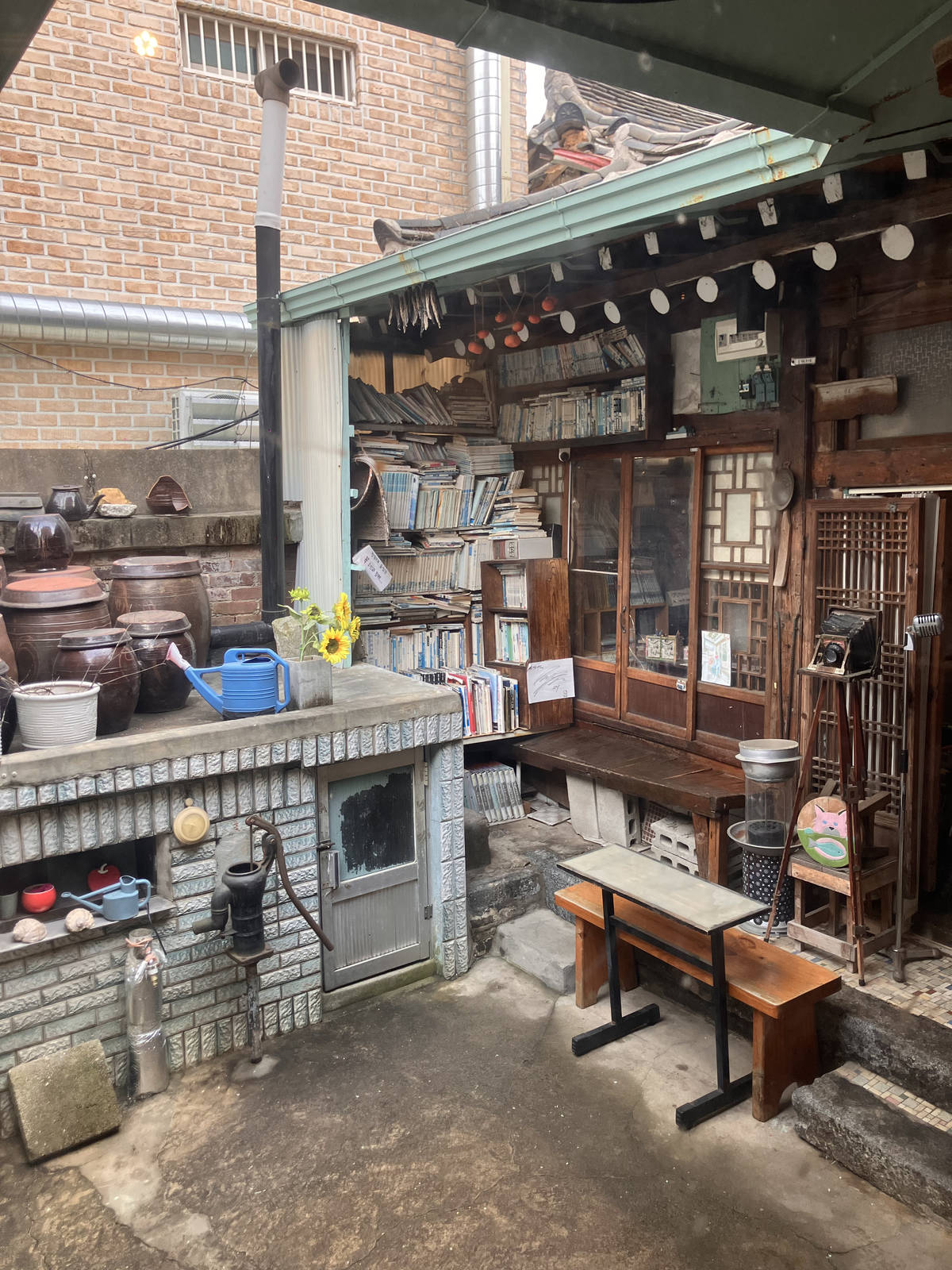
Now, Daeo Bookstore operates not as a used bookstore but as a cafe. It has also transformed into a cultural space, occasionally hosting exhibitions and performances.
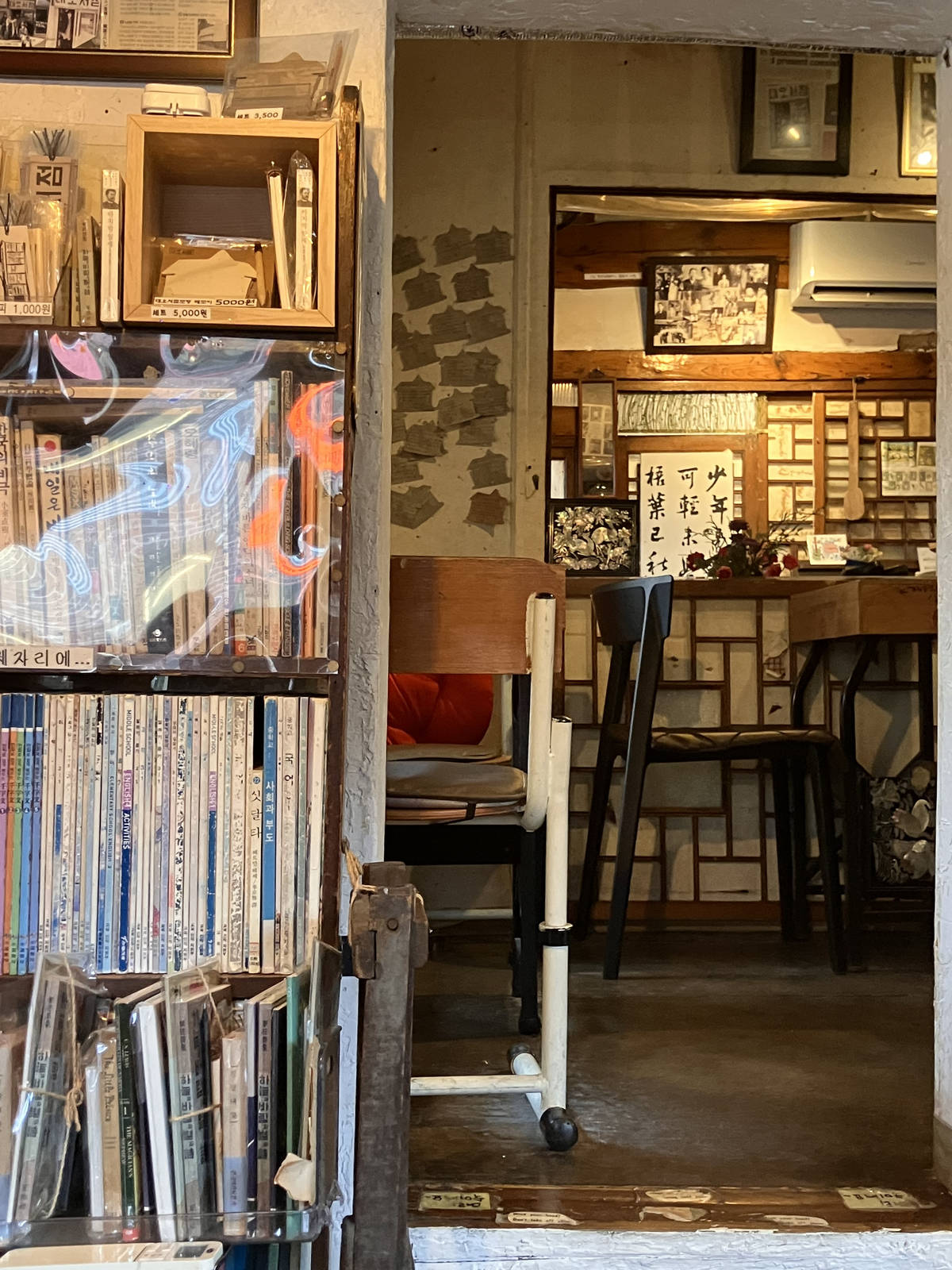
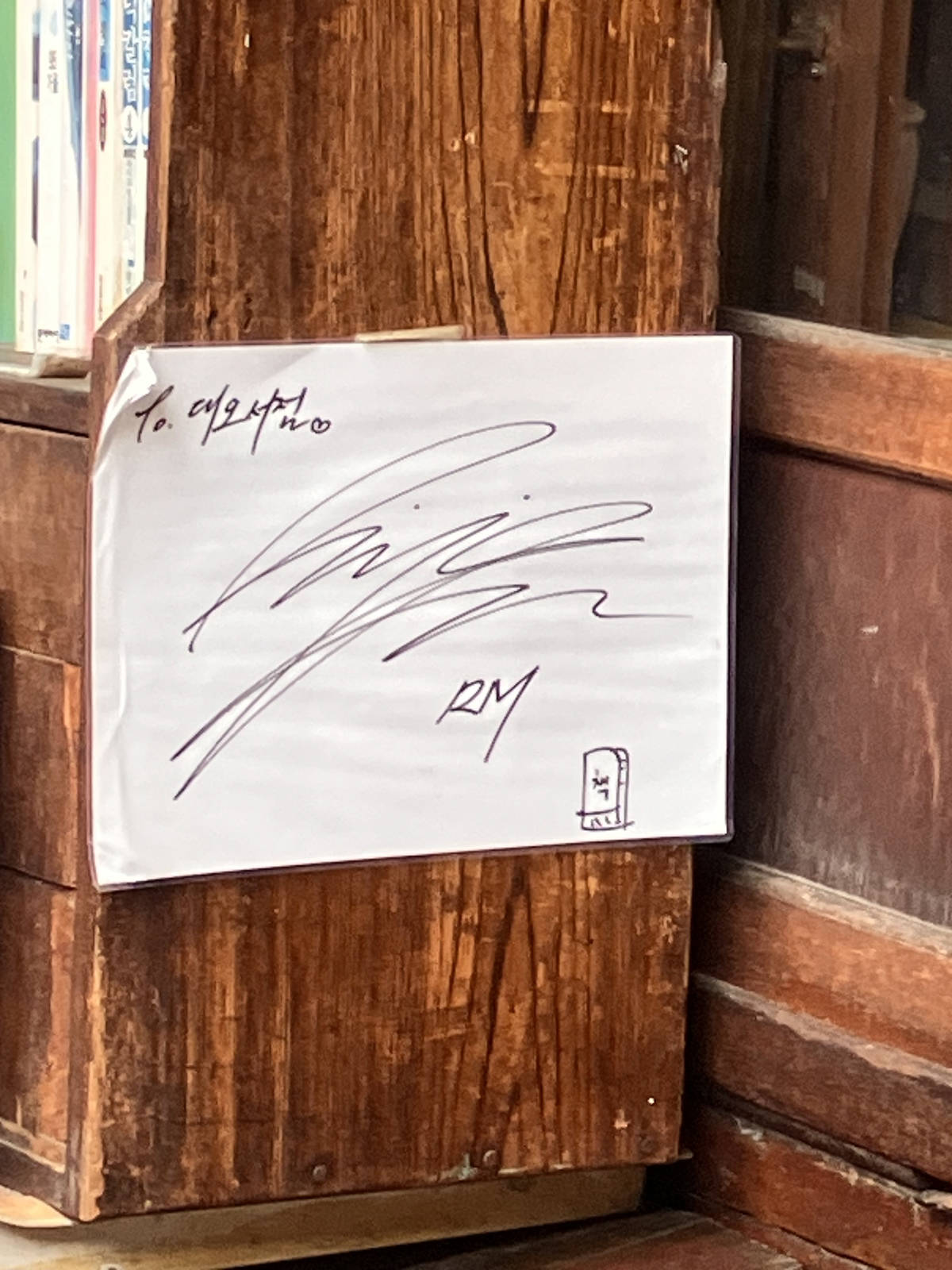
After a visit by BTS’s RM, it gained international recognition, attracting overseas fans who travel long distances to visit. It also became known as the location where the jacket photo for IU’s album <Flower Bookmark> was shot.
Every corner carries not just the passage of time, but warmth. Film photos of a grandmother and her grandchild, bookshelves packed with volumes reflecting someone’s taste, and even the sunflowers blooming in the backyard all contribute to this place’s unique warmth.
What Daeo Bookstore has preserved in that space is warmth.
Hwanghak-dong Flea Market
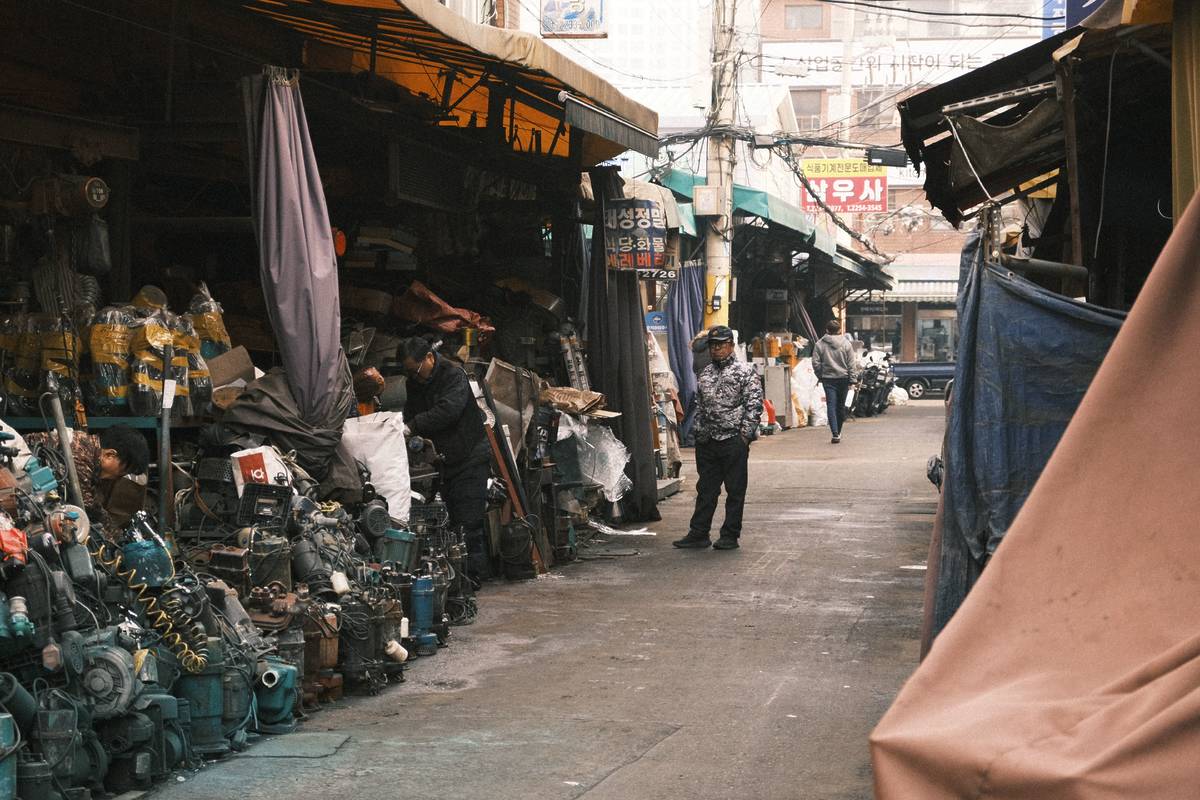
Let’s go back a little further in time.
Formed shortly after the Korean War, Hwanghak-dong Flea Market became one of Seoul’s most vibrant and expansive markets starting in the 1960s. It began when war refugees gathered around Cheonggyecheon Stream, selling antiques and odds and ends one by one during a time when goods were scarce. Over time, this market grew into a massive flea market where you could find everything from antiques to kitchenware and appliances.
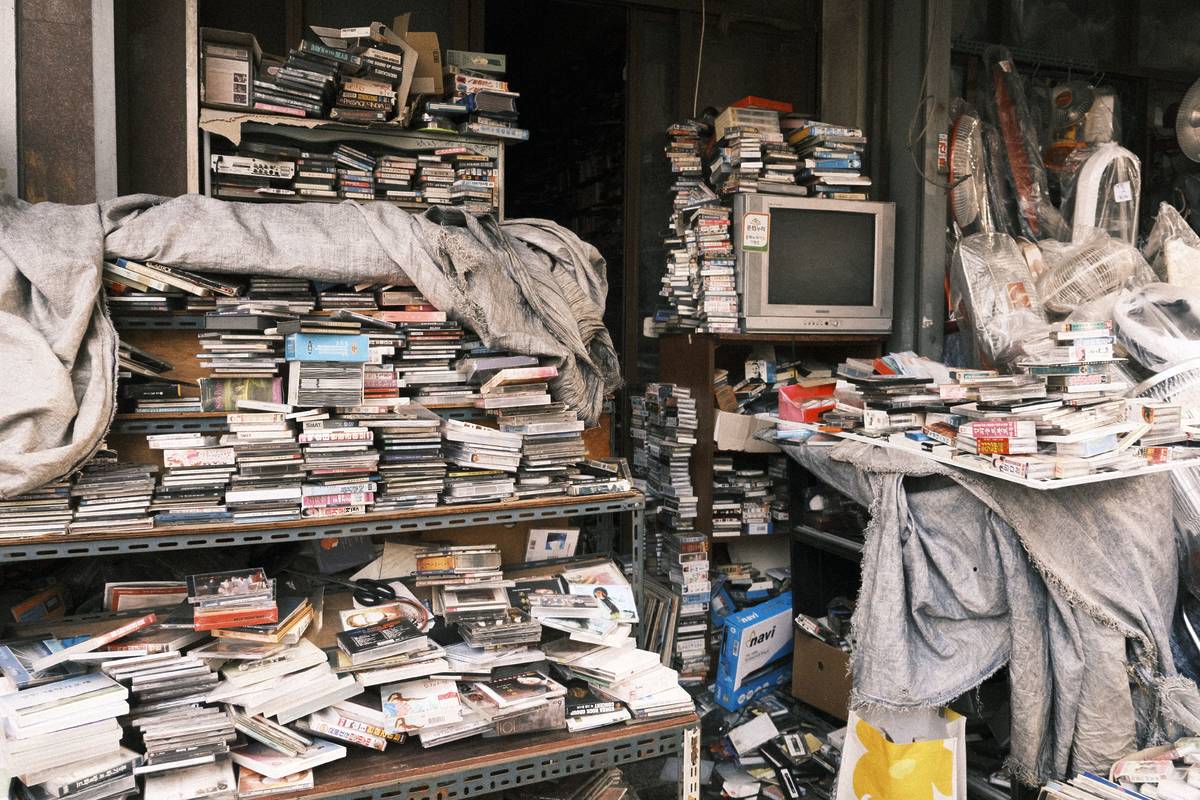
It was a place where hands-on skills and warmth thrived, so much so that word spread that if you brought a broken item, it would be fixed in no time. This reputation earned Hwanghak-dong Flea Market the affectionate nickname ‘Goblin Market’.
However, in the early 2000s, the vast Hwanghak-dong flea market scattered in multiple directions as the Cheonggyecheon development project began. Today, its legacy continues through three distinct markets: the Seoul Folk Market in Seonsil-dong, Dongdaemun-gu; the Dongmyo Flea Market in Sungeun-dong, Jongno-gu; and this very Hwanghak-dong Everything Market.
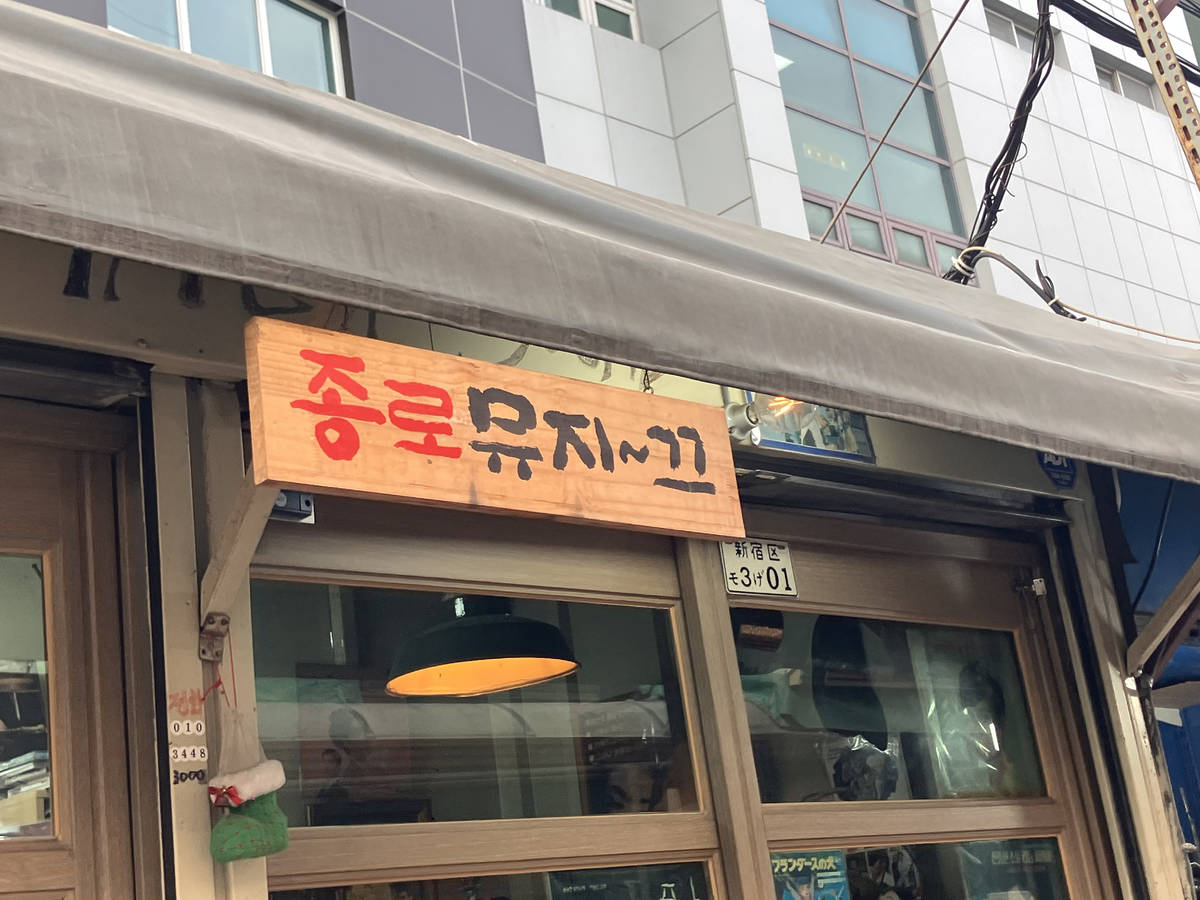
Though its scale is much smaller than before, the warmth lingering here remains unchanged. I come here to buy LP records, or to browse film cameras, old CRT TVs with their unusually thick backs, and vintage watches. Browsing these items brings back many forgotten moments, vividly resurfacing.
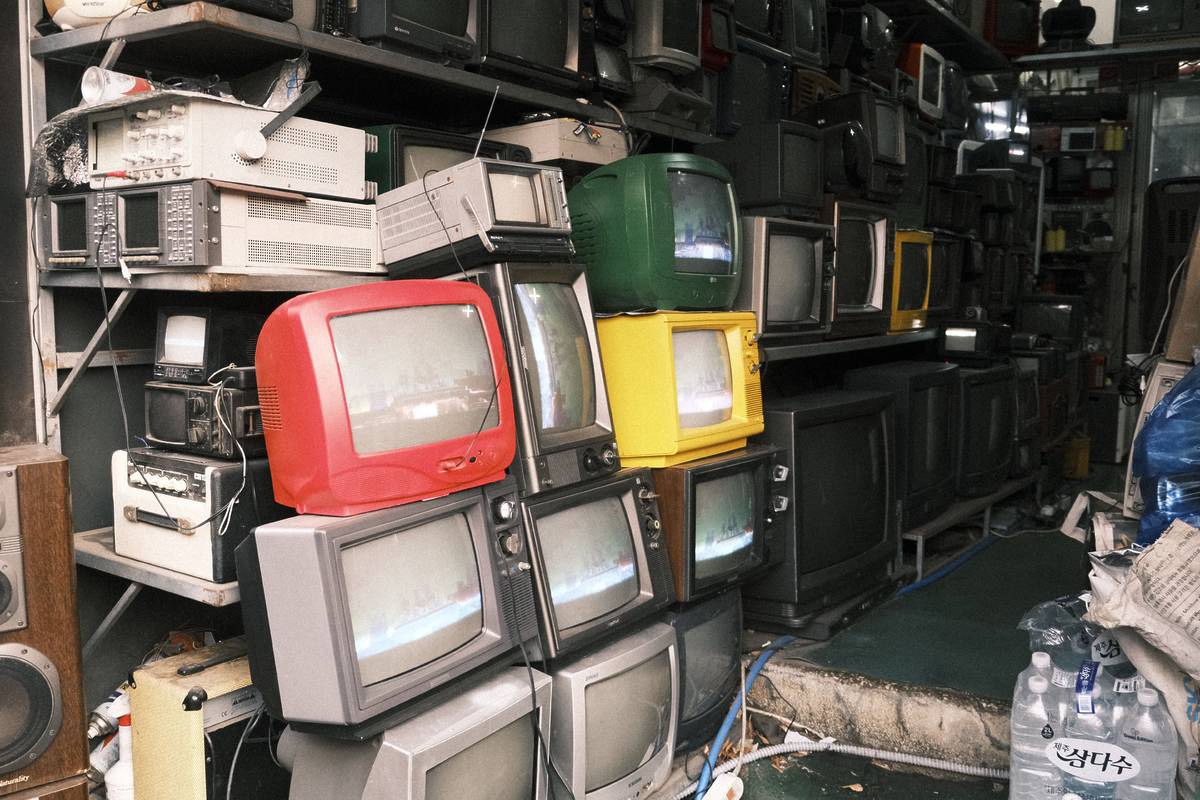
I’ve lived in Seoul almost my entire life, yet I only discovered this market by chance last year while heading to the DDP. The unfamiliar scene suddenly unfolding in the heart of this familiar city felt like arriving at a travel destination. Since then, I’ve brought friends here one by one to show them around, and surprisingly, everyone said, “I had no idea a place like this existed.”
Amidst Seoul’s rapid transformation, Hwanghak-dong Manmul Market continues to slowly accumulate time. It remains a ‘secret’ spot, easy to miss unless you seek it out.