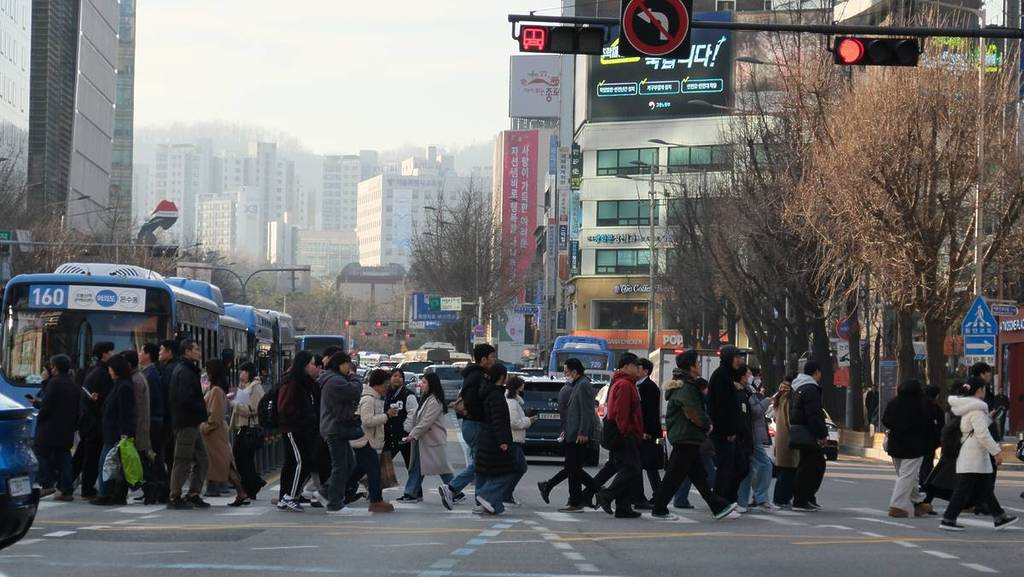
This week, winter has shown its true colors. With daily lows plunging below -10°C (-12°F), a bitter cold snap is sweeping the nation, and this severe chill is expected to persist through Sunday.
The Korea Meteorological Administration forecasted that Seoul’s temperature would drop to -13°C on Thursday morning and remain around -5°C during the day. With the addition of cold winds, the wind chill is expected to reach around -20°C, marking the peak of the cold wave.
Experts say this is the strongest ‘Daehan’ cold wave in 22 years since 2004.
In such extreme cold, wearing thick coats, gloves, and scarves is essential for commuting. Particularly during morning hours, when road icing is highly likely, both pedestrians and drivers need to exercise extreme caution.
Already, over the past two days, there have been 13 cases of frozen water meters in Seoul alone. If a water meter freezes, it can lead to no water coming out at home or water leaking through the ceiling of the floor below due to leaks. Unused water is also billed, leading to so-called ‘water bill bombs’ in many cases, causing significant inconvenience to citizens.
To prevent this, the Seoul Metropolitan Government has advised residents on how to prepare for frozen water meters. They explained that filling the meter box with old clothes or insulation material helps block the cold, while sealing the exterior completely without gaps maintains warmth. They also recommended leaving faucets slightly open to allow water to flow and setting the boiler’s hot water to a low setting when leaving home for extended periods to prevent freezing.